I am in the middle of trying to create a short illustrated novel called Tail.
Writing an illustrated short novel involves a combination of typical writing steps and specific considerations for integrating visuals
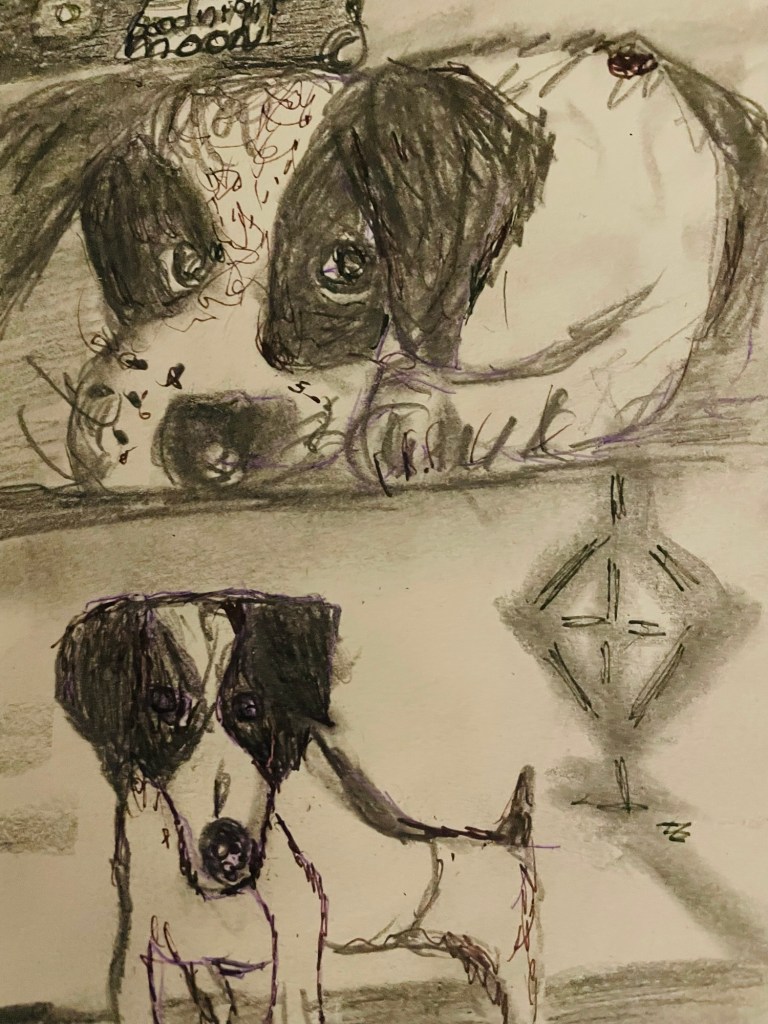
.
Part 1: Writing the Story
- Develop an idea and characters: Start with a strong premise, and build memorable characters and a detailed setting.
- Outline the plot: Plan the story’s structure, including the exposition, rising action, climax, falling action, and resolution. An outline serves as a roadmap to ensure the story flows well.
- Write the first draft: Focus on getting the narrative down without worrying about perfection. Get all your ideas out on paper.
- Revise and edit the manuscript: Rework your story multiple times, paying attention to plot holes, character consistency, pacing, and dialogue. Take breaks to return to your work with fresh eyes.
- Get feedback: Once you are happy with the manuscript, seek feedback from people in your target demographic, or from other writers. This helps identify areas for improvement before illustrations begin.
Part 2: Integrating Illustrations
- Create a schedule and plan the layout: Decide on the book’s size, the number of pages, and the estimated word count per page. Plan where text and images will appear.
- Develop character designs and visual style:Decide on the visual look and feel of your novel. Consistency in design is important for a strong reader experience.
- Create a storyboard/mockup: Use a physical or digital mockup to plan the sequence and composition of each illustrated page. This helps visualize how the words and images interact.
- Obtain the illustrations:
- If you are the illustrator: Begin the artwork, tracking your progress daily to stay on schedule.
- If you hire an illustrator: Provide a clear contract, character sheets, and the full manuscript to ensure they understand your vision. The publisher typically manages this process in traditional publishing.
- Finalize the combined document: Scan or upload the completed illustrations (if done physically), and use a document layout program to place the text onto the pages according to your mockup.
Part 3: Publishing
- Final review: Conduct a final proofread of the complete, illustrated novel (usually in PDF form) to catch any errors in text placement or image quality.
- Publish: Decide on your publishing path (e.g., traditional publishing, self-publishing, etc.) and proceed with the necessary steps to bring your book to market.

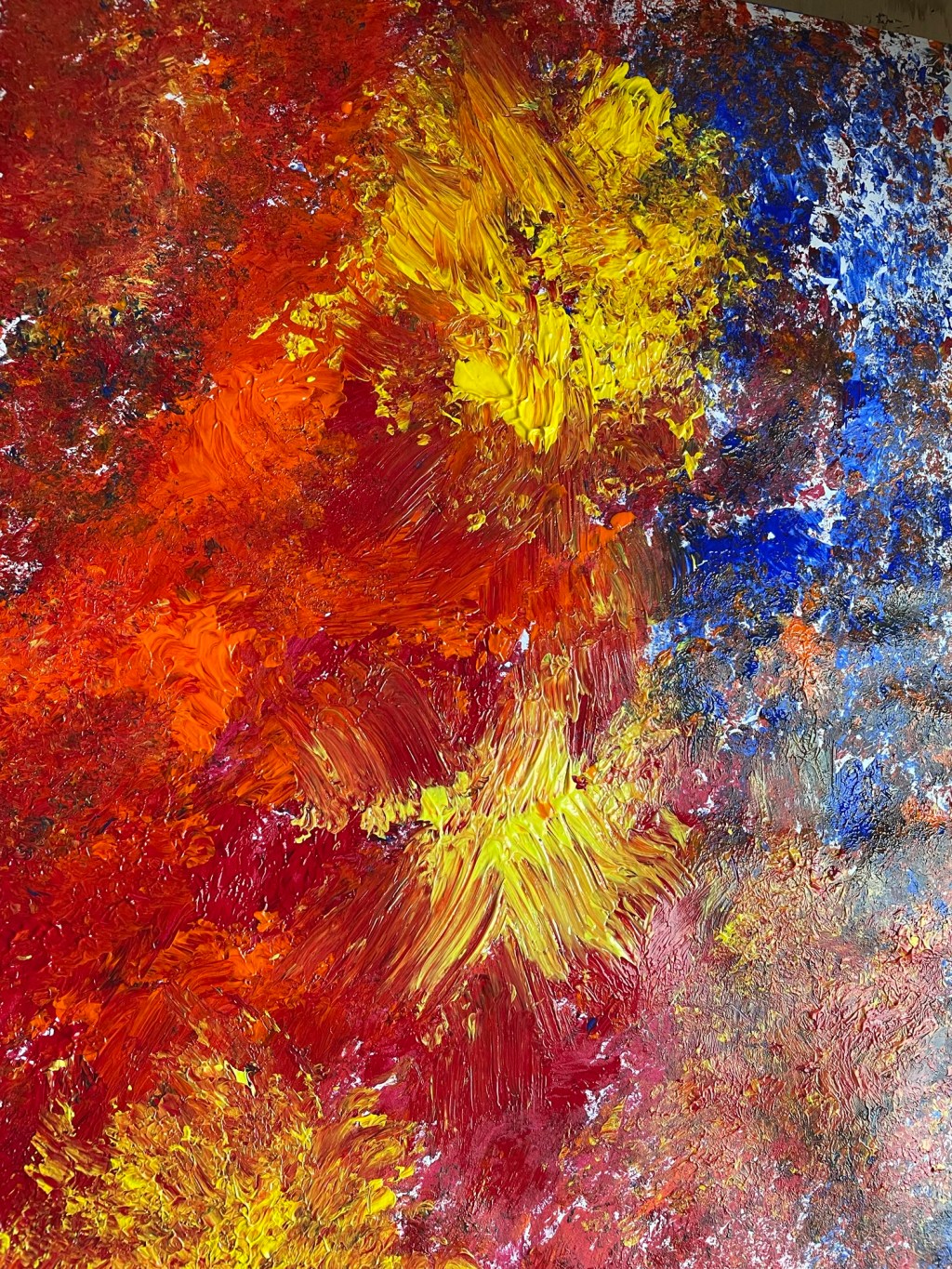
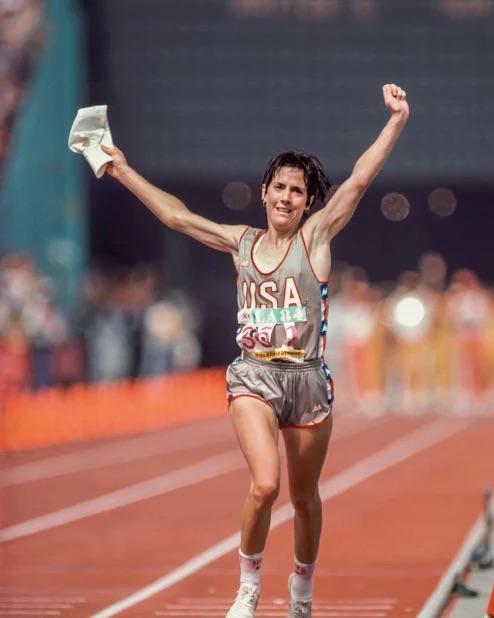
 The Side Effects of Endorphins