I try not to make my writings, book reviews. Zadie Smith is an essential read. There is an intellectual relationship between Zadie and Charles Dickens. I’ll refer to that later. I did use some AI because i needed a little help connecting all that happens here.
The Fraud by Zadie Smith is a historical novel set in 19th-century England that intertwines the story of the infamous Tichborne Claimant trial with the lives of a novelist’s household. The novel centers on the housekeeper, Eliza Touchet, as she becomes fascinated by the trial of a man claiming to be the missing Sir Roger Tichborne, alongside the story of Andrew Bogle, a former slave from Jamaica whose testimony is central to the case. The narrative uses the trial as a lens to explore themes of truth, deception, race, class, and the nature of storytelling itself.

Key plot points
- The Tichborne Trial: The novel’s central plot revolves around the real-life Tichborne case, where a man claiming to be the long-lost heir to a baronetcy captured the public’s imagination. The narrative questions who is telling the truth in the case and explores the public’s fascination with the trial.
- Eliza Touchet: As the housekeeper and cousin-in-law to the novelist William Ainsworth, Eliza observes the trial and the social world surrounding it. Her own story becomes intertwined with the case, particularly through her connection to Andrew Bogle and her exploration of storytelling.
- Andrew Bogle: A former Jamaican slave, Bogle is a key witness in the trial and provides a direct counterpoint to the privileged white society of Victorian England. His personal history with slavery and his experiences with racism are central to his narrative and to the novel’s exploration of British history.
- Themes: Smith uses these stories to examine themes of fraudulence versus authenticity, the construction of identity, and the ways in which personal and national narratives are formed and contested. The novel also highlights the connection between Britain’s wealth and the profits of slavery, even after its abolition.
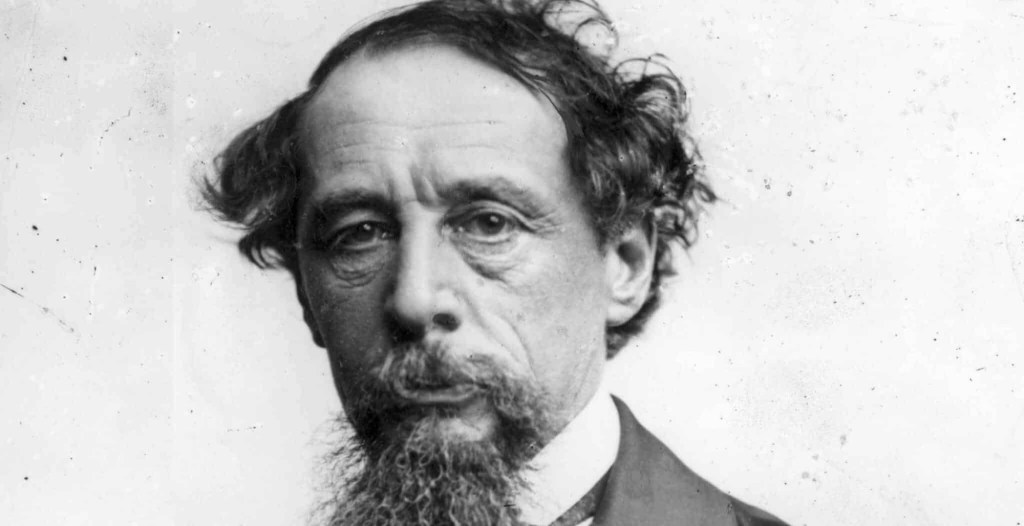
And Charles Dickens
A shared literary space: Smith includes Dickens in her novel not as a figure of reverence, but as a character to be examined. She uses the historical context to highlight the era’s hypocrisy and the pretentiousness of the literary elite.
I am going to have to read this again. It took me so long to get it and when I did it was lost and somewhat intoxicating.




 The Side Effects of Endorphins
I would love to hear you opinion as well