When I was growing up, the English spoken in Pennsylvania used to drive me nuts. I used to think they just threw words in order whenever they felt like it.
Let’s examine this sentence.
I throw the horse some hay over the fence now
I thought this to be a word salad, though people in Pennsylvania rarely eat salad.
I was talking to my German teacher about this sentence.
And her response to me was.
This makes perfect sense to me
So right now, I am issuing a heartfelt apology to all those in Pennsylvania I have belittled for what I perceived to be a word salad.
Ich werfe dem Pferd jetzt etwas Heu über den Zaun
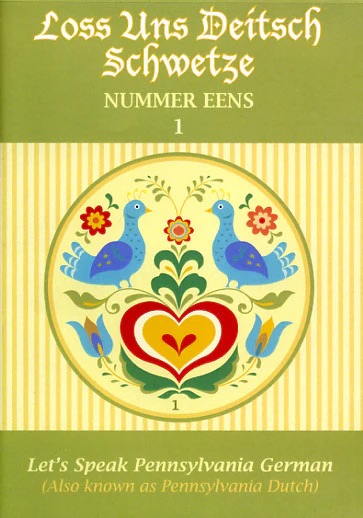
Pennsylvania Dutch is a unique American language with strong German roots, spoken by many Amish and Mennonite communities. It’s not standard German, but a dialect that evolved over time, influenced by German and English.
Here are some basic phrases to get you started:
- “Guda Dog”: Hello, or good day.
- “Guda Morgen”: Good morning.
- “Guda Oga”: Good evening.
- “Guda Nood”: Good night.
- “Mox Good”: Goodbye.
- “My Nama is…”: My name is…





 The Side Effects of Endorphins
I would love to hear you opinion as well