Erdrich’s masterful writing also includes a huge number of food and cooking passages: my favorite type of description. While Tookie bakes cookies and cooks fish, the most memorable food passages tell how Pollux cooks for her, and how food expresses their affection and closeness. Pollux prepares both original recipes and native dishes, such as a special potato salad recipe made with bacon and hot pickles.
Here are a few examples of how Pollux cooks for Tookie:
“He sat me down, and told me not to move until he made me a fried egg sandwich with green chilis. He would make it on an oversized toasted English muffin. … Fried Egg Sandwiches for Book club would be fun
“‘What’s crazy is how good this sandwich was,’ I said, staring at my empty plate.
“‘Split another?’
“‘It would be my honor. Let me help you by talking to you while you make it.’” (p. 94-95).
***
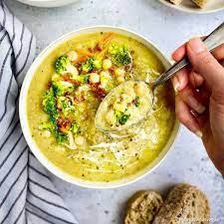
“Pollux called out. ‘I’m making your scorched corn soup recipe, remember?’” …
This Would Work and would be made vegan
“For the past year, Pollux has been perfecting my favorite soup …—it is a corn soup. First he caramelizes fresh-cut sweetcorn, toasting it slowly in a heavy pan, adding onions. Then cubed potatoes tossed lightly in butter, to set a crisp. He adds all of this to a garlicky chicken broth with shaved carrots, cannellini beans, fresh dill, parsley, a dash of cayenne, and heavy cream. The scent was making me delirious.” (p. 105-106)
***
“There was a delicious scent. Pollux was browning chunks of squash with onions and garlic. Maybe he would make some sort of spicy curry.” (p. 121).
***
“Turtle Mountainers are big on New Year’s and we were having open house at Louise’s. The day would be celebrated with a meatball soup called boulettes or bullets, and small bites of frybread called bangs. If the night was warm, we’d sit around an outside fire. Pollux made the bangs because he knows how to work with hot grease, while I’m an expert on cold grease. I brought Old Dutch potato chips.” (p. 127).
YES This
Wild rice, or manoomin, is very important to Tookie and Pollux, and to their friends, who have arguments about which types are best. But it’s agreed that: “Real wild rice is grown wild, harvested by Native people, and tastes of the lake it comes from. … Native people around here have a specific ferocity about wild rice. I’ve seen faces harden when tame paddy rice, the uniformly brown commercially grown rice, is mentioned, called wild rice, or served under false pretenses.” (pp. 105-106). The only feature of Erdrich’s book that doesn’t appeal to me is her long list of her favorite books. Tookie recommends books while doing her job in the bookstore, and in this context, the books help create little portraits of the quirky customers. But Erdrich appends an entire multi-page book list in a chapter at the end (it’s not really part of the novel, so this isn’t a spoiler). I’m really in favor of loving books as Tookie and her colleagues in the bookstore do, but I found the repeated recommendations to be a little over done: the demand that readers patronize independent bookstores doesn’t fit well into a novel, in my opinion. Too much like religion!
Thank You Mae’s Food Blog: Louise Erdrich: ‘The Sentence” (maefood.blogspot.com)



 The Side Effects of Endorphins